Key takeaways
- ESP wins PvP when it drives positioning — hold strong angles before fights, not after you are already shot.
- Skeleton and distance readouts tell you peek direction and timing; weapon ESP tells you whether to swing or reset.
- Pro adds duel closure; Private adds radar for third-party rotates — awareness tier choice depends on death type.
ESP marketing focuses on boxes through walls. Good Arc Raiders PvP players focus on what those boxes make them do — hold a stronger angle, cancel a bad wide swing, reposition before the third party arrives. Positioning ESP is not a separate software module; it is the discipline of turning visibility into map control before trigger assist or aimbot ever matter.
This guide connects player ESP, skeleton markers, weapon tags, and radar (where available) to concrete PvP habits — peek timing, off-angle holds, and extract-adjacent fights that decide stash outcomes.
Information First, Frags Second
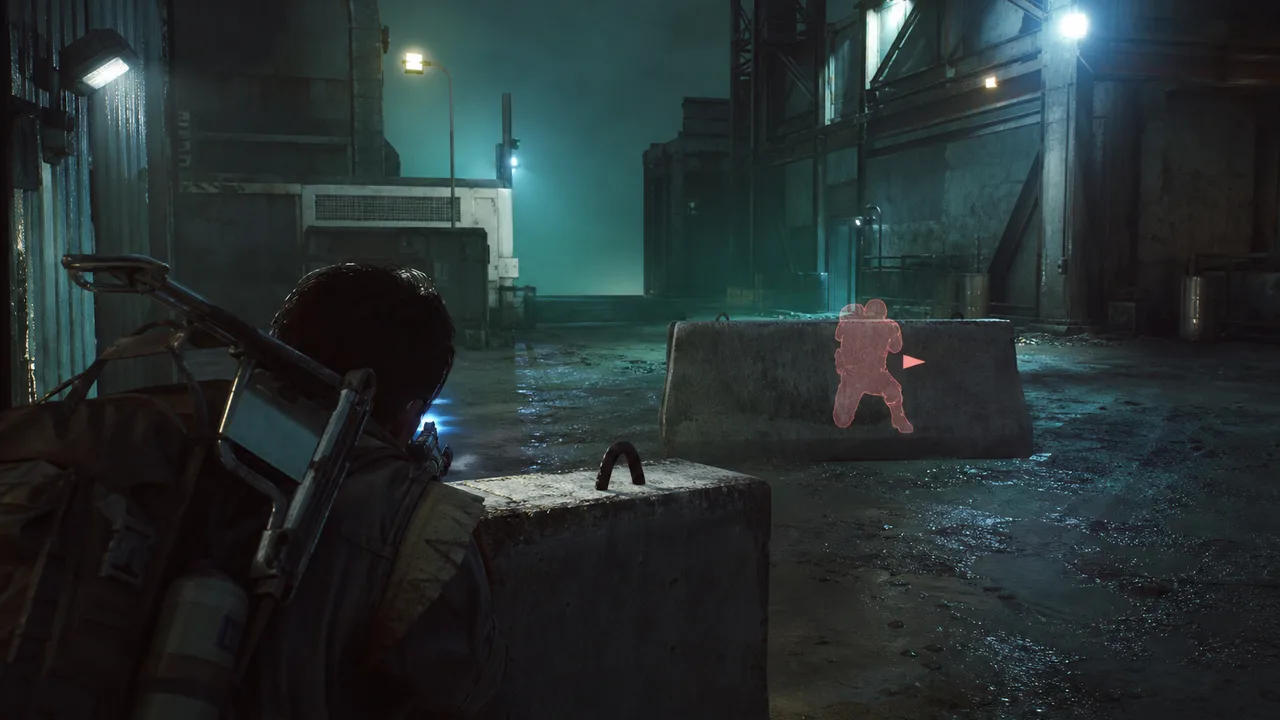
Arc Raiders third-person camera already rewards corner holders. ESP amplifies that asymmetry: you see them before they see you if you use the read to move, not to stare at boxes while standing in open ground.
Death patterns tell the story:
- Shot before you aimed → awareness or positioning failure (ESP should have triggered a reposition)
- Lost equal peek → mechanical or automation gap (Pro tier territory)
- Died after winning duel → macro failure (extraction ESP and radar)
Positioning ESP addresses the first bucket — the most common and the least fixed by cranking aim strength.
Core ESP Signals for PvP
Distance readouts
Distance tells you engagement type. Sub-20 m fights favor SMG holds and pre-aimed doorframes. 40–80 m favors rifle shoulder peeks with reset discipline. If ESP shows 100 m+ and you are running an SMG loot build, disengage — positioning means declining bad fights.
Skeleton and head markers
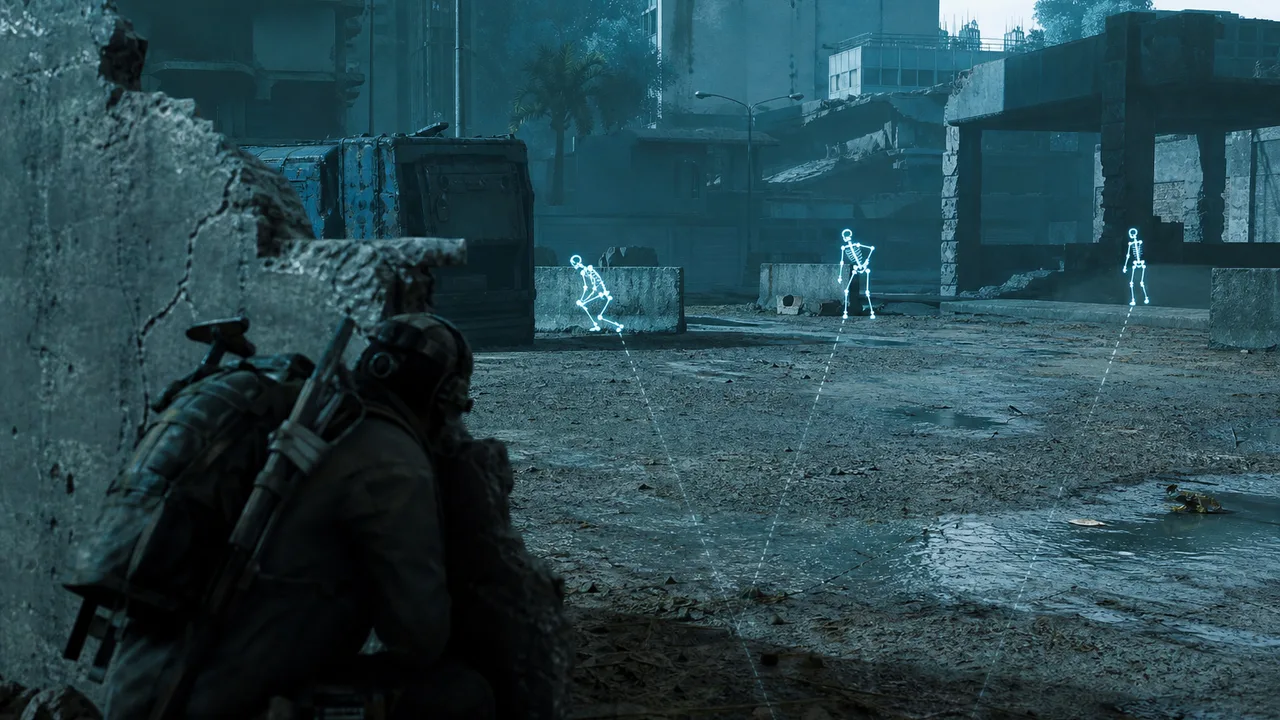
Skeleton posture reveals lean direction before full body exposure. If skeleton ESP shows left lean from cover right, pre-aim left edge or flank wide — do not mirror their peek on equal terms.
Head markers stack with skeleton reads for pre-aim height. Pair with visibility checks on Xray or higher so you are not tracking targets you cannot legally shoot yet.
Weapon ESP
Weapon tags (Pro and Private) decide swing vs reset. Shotgun + close distance = do not wide peek rifle angles. Sniper tag at medium range = smoke and rotate, do not jiggle for info.
Threat level coloring speeds triage when two boxes appear — focus the higher threat before the secondary pushes.
Health and armor bars
Partial health on enemy ESP invites controlled pushes; full armor suggests mag discipline or grenade pressure. Positioning includes when not to push — a wounded target behind hard cover may still one-tap if you walk into their held angle.
Positioning Patterns by Scenario
Loot room entry
Sweep ESP outside before door breach. If boxes stack inside, hold doorframe off-angle — let them loot while you pre-aim head height. Entry fragging is positioning, not speed.
Xray-tier visibility suffices when you control the door. Add Pro combat tools when you must win inside after a failed hold.
Ridge and open terrain
Open ground is ESP trap — you see them, they see you, third party wins. Use ESP to deny fights: rotate down slope, break line of sight, re-engage from cover. Skeleton ESP on ridge peeks tells you which rock they hug — pre-aim or disengage.
Third-party timing
Two teams fighting? ESP shows downed states and third box approaching. Position for cleanup, not hero insert into 2v1 mid-fight unless radar (Private) confirms no fourth blip.
Private 2D radar is the upgrade when third parties define your deaths more than duel losses.
Extract-adjacent PvP
Pad fights are choke holds. Player ESP from extract lanes should trigger off-pad positioning — cover near channel, not standing on marker. Cross-read extraction zone intel for timer + angle combined planning.
ESP Settings for Positioning (Not Clutter)
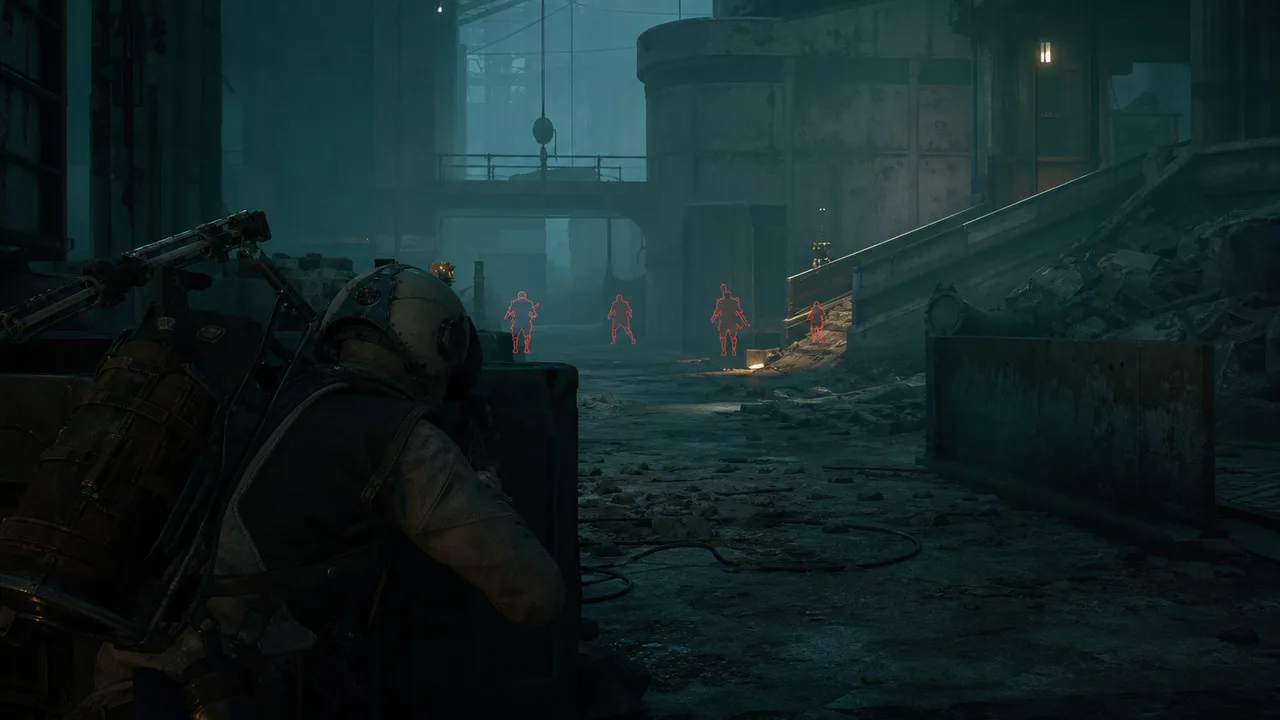
Max distance: Cap player ESP during PvP phases to weapon-relevant range. Seeing 200 m boxes encourages false confidence and screen noise.
Box style: Corner boxes preserve terrain sightlines — important for choosing cover in third-person.
Hostile filters: Pro’s hostile-only and inactive raider checks stop you from anchoring on downed players while live threats rotate.
Skeleton toggle: Enable for PvP configs; disable during pure farm routes to reduce visual load.
Save separate positioning configs — our cheats guide recommends profile splitting across raid types.
From Awareness to Automation — Tier Path
| Stage | Tooling | Goal |
|---|---|---|
| Learn reads | Xray ESP | Reposition on information |
| Win equal fights | Pro aim/trigger | Close after good positioning |
| Control map | Private radar | Prevent third parties |
Positioning ESP peaks when automation stays off until angle is won. Holding shift-aim through walls before you moved to cover is how ESP users waste both tier spend and report buffer.
Common Positioning Mistakes With ESP
Box watching — Standing still because ESP feels like wallhack. Mobile angles beat static ESP every time.
Equal peek addiction — ESP shows them; you wide swing anyway. Hold off-angle or pre-fire known lean.
Ignoring weapon tags — Pushing shotgun ranges with rifle shoulder habits loses despite “seeing first.”
No extract discipline — Won fight, died to fourth player because radar was ignored. Position through extract, not just through duel.
Overconfidence from skeleton ESP — Posture reads lag animation; combine with distance closing speed before committing.
Squad Positioning With Mixed Tiers
Designate anchor (best ESP/radar tier — often Private) for rotate calls. Xray teammates hold complementary angles without duplicating callouts. Weapon ESP on Pro anchor feeds “shotgun left” before visual contact — squad positioning without everyone needing top tier.
Comms replace missing radar: “two boxes northwest moving extract” beats silent ESP carry.
PvE Interruptions During PvP Holds
ARC patrol pressure during standoffs wastes meds. ARC enemy ESP helps route PvE away from PvP anchors — reposition before mechanized noise masks player footsteps.
Season Context
Season 1 meta analysis tracks TTK and loadout trends — positioning choices shift when SMG or rifle metas dominate. ESP reads stay constant; preferred angles change with weapon balance.
When SMG metas compress engagement range, tighten ESP max distance and favor doorframe holds over ridge jiggle peeks. Rifle-heavy metas reward early off-angle setups at 50–70 m — skeleton ESP helps confirm whether they are holding hard cover or preparing to push your flank.
Duo and Trio Angle Chains
Solo positioning ESP is reactive. Squads can chain angles using shared reads:
- Anchor holds primary lane with best ESP tier (often Private radar + player boxes)
- Flanker watches secondary ESP vector for rotates
- Flex covers extract-adjacent approach from extraction ESP callouts
Call distance changes, not just presence — “closing 30” triggers reposition faster than “one on me.” Mixed-tier squads still win when comms translate ESP into movement.
Post-Fight Repositioning
Winning the duel is half the positioning loop. Player ESP should immediately scan for:
- Second box closing on gunfire audio radius
- Downed-state transitions (inactive raider checks on Pro)
- Drone or ARC noise masking third-party sprint
Reposition within five seconds of kill confirmation — looting in the open while ESP still shows distant boxes is how win streaks end. Move to cover, re-scan, then loot.
Optional Products
Positioning does not require Cloud DMA or HWID Spoofer. Browse products for infrastructure only when hardware workflows demand it — not as PvP shortcuts.
Bottom Line
Arc Raiders PvP ESP pays off when visibility changes where you stand, not just who you shoot. Distance, skeleton, weapon, and radar signals exist to cancel bad fights and amplify good holds before automation enters the picture.
Master positioning on Xray, add Pro when angles are won but trades lost, add Private when third parties erase your duel wins. The best overlay users look like disciplined raiders — ESP just lets them be disciplined earlier in the fight timeline.