Key takeaways
- Solo players benefit most from loot ESP, extraction awareness, and conservative aim settings.
- Squads gain more from shared callout depth, wider radar coverage, and coordinated push tools.
- Match tier spend to how much information your group already supplies organically.
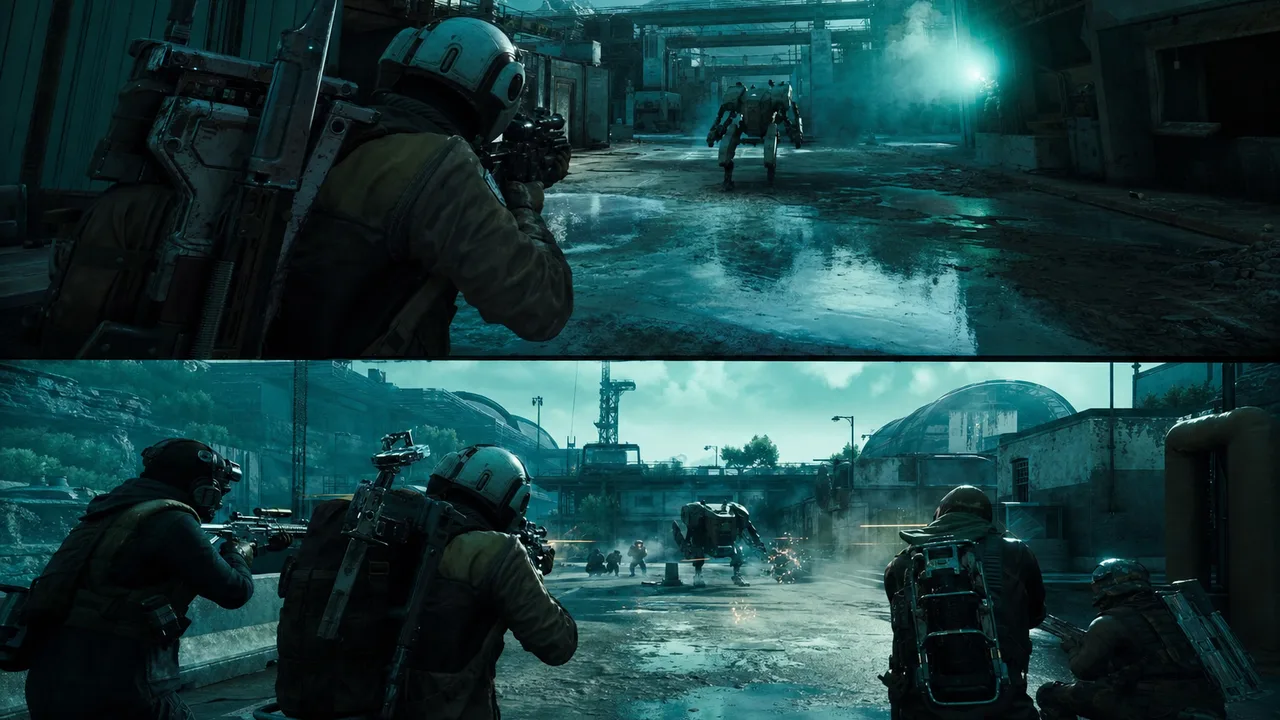
The right Arc Raiders cheat setup depends less on what looks strongest in a menu and more on how you actually raid. A solo player grinding quiet extractions needs different tools than a three-stack pushing industrial zones for high-value crates. Feature depth that helps a coordinated squad can be wasted noise for a lone wolf — and vice versa.
This guide breaks down tier choice by playstyle: what solo raiders should prioritize, what squads gain from heavier tooling, and where the overlap sits when you switch between both modes across the same account.
Why Playstyle Changes Feature Priority
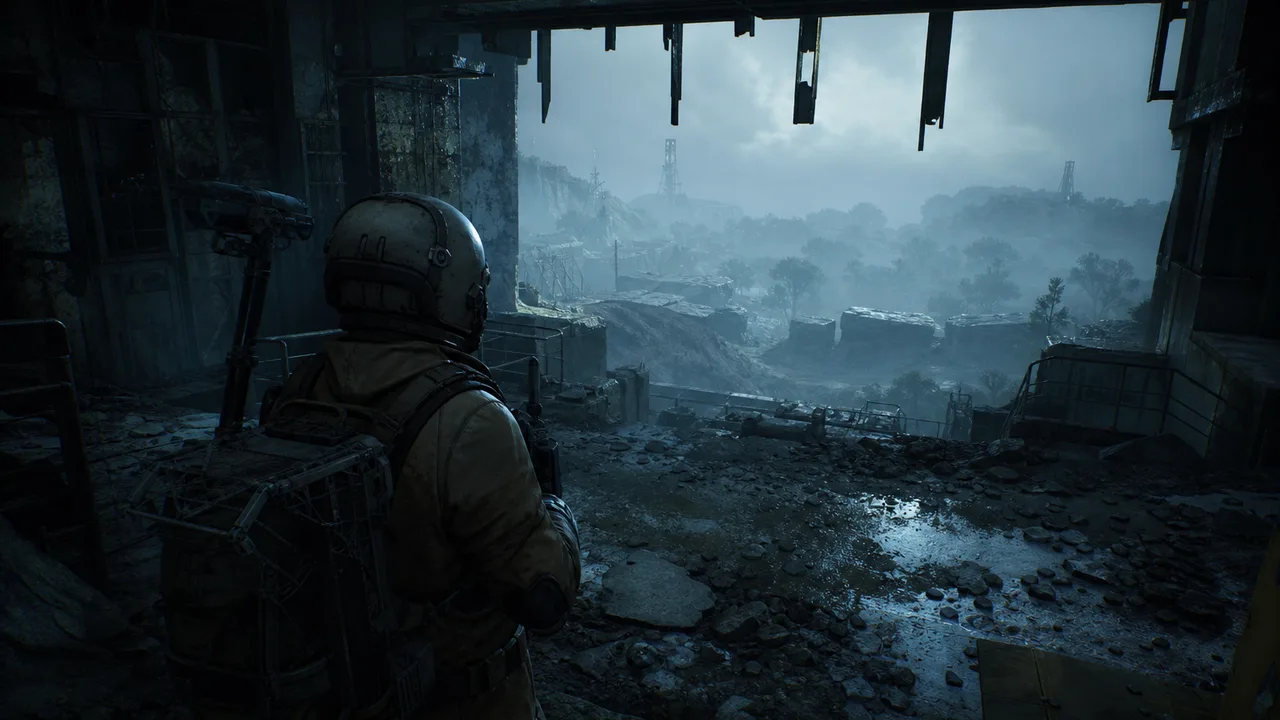
Arc Raiders raids combine PvE pressure, third-party PvP, loot routing, and extraction timing in a single loop. Solo players absorb every decision alone: when to disengage, which crate to skip, whether the extract is contested. Squads distribute some of that load through voice comms — but comms only help when someone already saw the threat.
Cheats shift where that information originates. ESP replaces guesswork about player positions. Loot filters reduce time spent in low-value zones. Aim assistance tightens fights you chose to take. The question is not whether those features help — it is which ones return the most value per point of configuration complexity for your raid format.
Solo Play: Information Over Firepower
Solo extraction success in Arc Raiders usually comes down to avoiding fights you cannot win and leaving with consistent bag value. That makes awareness features the foundation of any solo cheat setup.
Player ESP is the highest-impact solo tool. Knowing raider distance, direction, and whether someone is holding an angle you planned to cross prevents the surprise deaths that wipe hours of progress. Skeleton markers and health readouts help you decide in a split second whether to commit or disengage.
Loot ESP is the second solo pillar. Solo players cannot afford to clear entire zones hoping for high-tier drops. Value filters that highlight worthwhile crates cut raid time and reduce exposure windows. The less you wander, the fewer random engagements you absorb.
Aim tools matter for solo players, but conservative settings outperform aggressive ones. Smooth targeting with a limited FOV handles emergency close fights without turning every engagement into a clip-worthy snap fest that draws attention. Solo players lose more from ego pushes than from slightly slower TTK.
For most lone-wolf farmers, an entry-to-mid tier with strong ESP and light aim support covers the real failure points. Browse cheat tiers starting from awareness-heavy options before stacking full combat automation you will rarely need if your goal is extract rate.
Squad Play: Coordination Multipliers
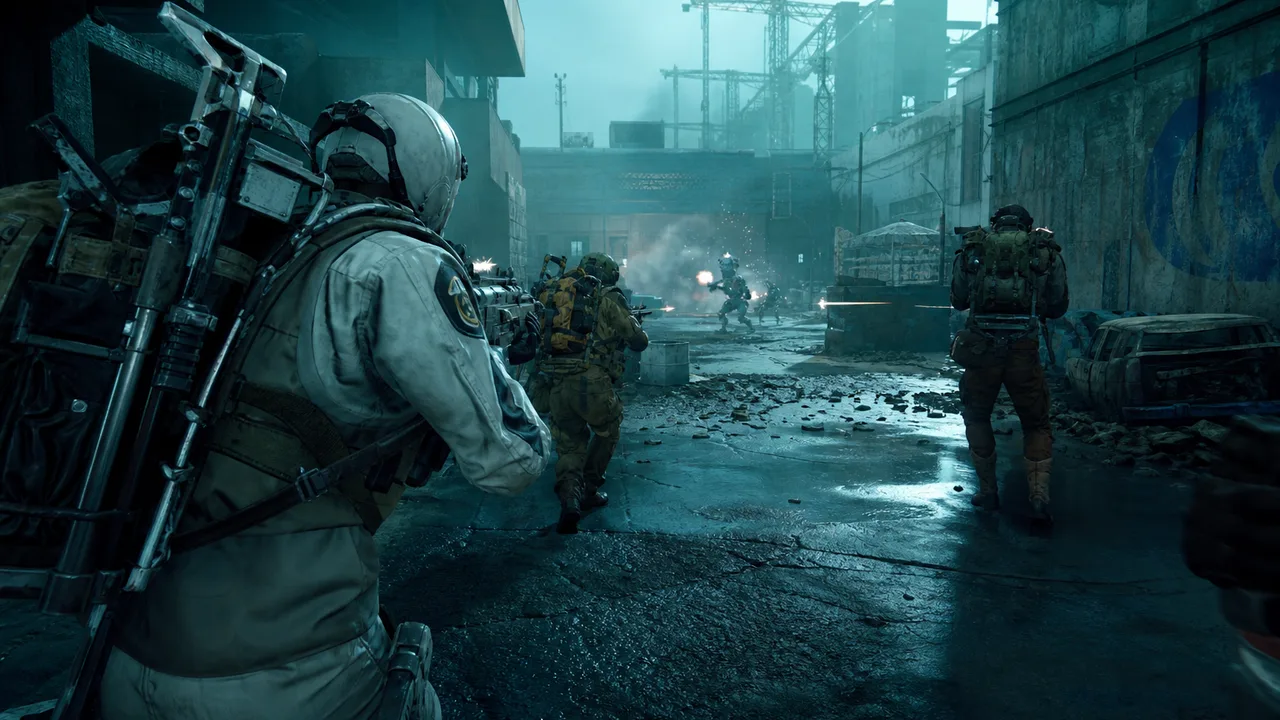
Squads change the math. When three players share map awareness, the marginal value of basic player boxes drops slightly — but the value of precision tools rises because coordinated pushes punish small informational gaps harder.
Extended ESP categories help squads more than solos when they include weakpoint markers, ARC unit tracking, and extraction-state readouts that feed consistent callout language across the stack. Everyone seeing the same threat picture reduces the “I thought you had that angle” moments that lose squad wipes.
Radar and overlay tooling scales well in squad contexts. A 2D radar that shows density around your rotation path lets the IGL make faster commit-or-rotate calls. Squads that play aggressive industrial routes benefit from wider informational coverage because their fight frequency is higher by design.
Aim assistance sees more use per hour in squad PvP sessions. When your squad actively hunts other raiders or holds contested extracts, smoother recoil control and trigger-style tools recover more value — still tuned conservatively, but not as minimal as a solo farm build.
Squads should also think about feature redundancy. If every member runs maxed ESP with identical loot filters, you gain little over one well-configured awareness player plus two combat-focused builds. Distribute roles: one player leans information-heavy, others lean fight support.
Tier Mapping by Playstyle
| Playstyle | Priority features | Tier direction |
|---|---|---|
| Solo farm / early extract | Loot ESP, player distance, light aim | Awareness-first entry tier |
| Solo PvP hunter | Player ESP, skeleton, smooth aim, recoil | Mid tier with combat options |
| Squad farm | Shared radar, loot filters, extraction ESP | Mid tier on one slot, lighter on others |
| Squad push / hunt | Full ESP suite, aim assist, ARC tracking | Higher tier on primary fragger |
This is guidance, not a rigid rule. A skilled solo player extracting at 60%+ may need less than a newer squad wiping repeatedly in industrial zones.
Where Solo and Squad Setups Overlap
Some features deliver regardless of team size. Extraction awareness — knowing which points are active, how many raiders sit nearby, and when to rotate to Plan B — helps everyone. Recoil control improves any fight you take. Distance readouts on player ESP prevent bad commits in both modes.
The overlap zone is where budget-conscious players should spend first. If you only buy one upgrade path, strengthen universal awareness before specialized squad tooling you use twice a week.
Common Mistakes by Playstyle
Solo: over-tuned aimbot. Hard snaps win one fight and lose the next three when third parties arrive. Solo players need sustainable patterns, not highlight-reel settings.
Solo: ignoring loot filters. Running full-map ESP without value sorting creates noise that slows decisions instead of speeding them up.
Squad: identical configs on all three clients. Redundant overlays clutter comms and encourage everyone to stare at the same data instead of covering angles.
Squad: max features on players who fill support roles. The player running flank does not need the same menu depth as the entry fragger.
Both: choosing tier by feature count. A bloated build you never configure correctly underperforms a smaller tier you actually tune for your raid schedule.
Switching Between Solo and Squad Sessions
Many players alternate modes on the same account. If that describes you, prioritize software with saveable profiles and quick toggles. Disable squad-oriented radar clutter before solo farms. Tighten aim FOV when playing alone and widen callout-relevant ESP categories before queueing with friends.
Session discipline matters when switching modes. Squad habits — aggressive pushes, longer raid timers — bleed into solo play and crater extract rates. Treat profile swaps as a deliberate reset, not just a menu change.
How to Test Before Committing to a Tier
Run three solo raids and three squad raids with conservative settings before judging a tier. Track extract rate, fight frequency, and how often ESP changed a decision you would have gotten wrong without it. If awareness tools alone shift outcomes, you may not need a higher combat tier yet.
The Bottom Line on Solo vs Squad Tier Choice
Solo Arc Raiders cheating should lean information-first: player ESP, loot value, extraction reads, and light aim support for emergencies. Squad cheating should amplify coordination — radar depth, role-split configs, and combat tooling on the players who actually take fights.
Neither mode rewards maximum settings by default. The best tier is the one whose features you configure, actually use, and maintain after patches — matched to how you spend most of your raid time. Compare options on our cheat tiers page and products lineup when you are ready to align software depth with the way you actually play.